Most conversations about Open Science (OS) tend to primarily focus on open access to data and open access to scientific infrastructure (lab, equipment, digital platforms, etc.). However, UNESCO Recommendations on OS are a comprehensive and futuristic set of principles unanimously adopted by all member states in November 2021.
The holistic framework of UNESCO Recommendations on OS comprises four pillars:
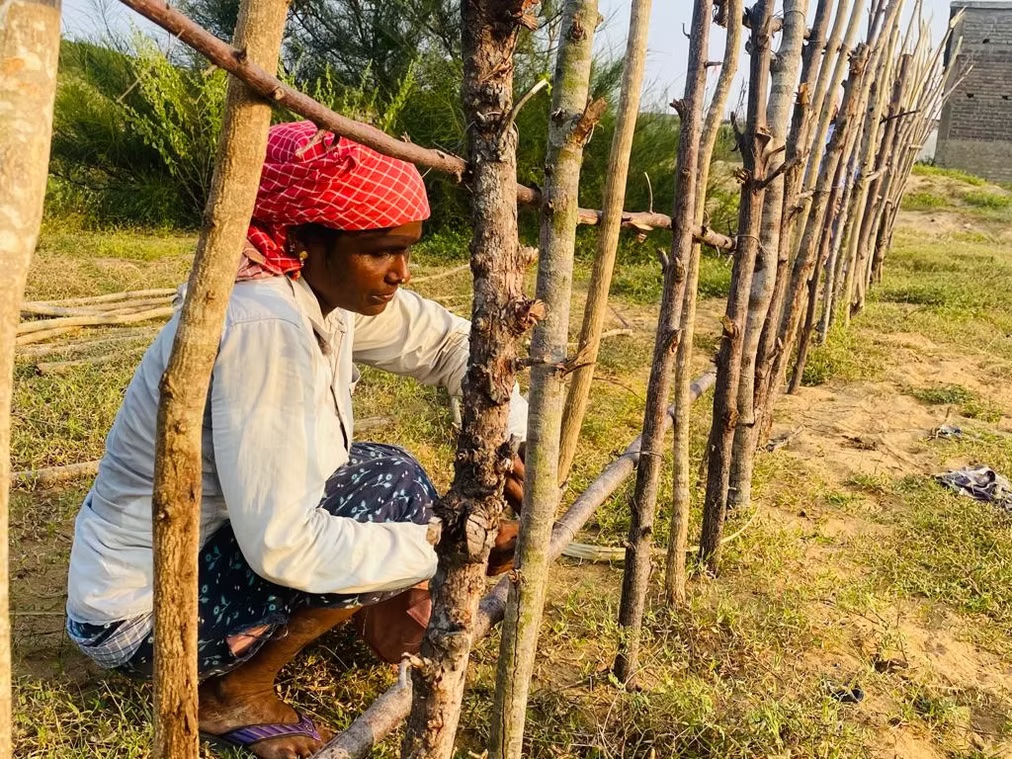
OS was the theme for the 14th Annual Meeting of the Global Research Council (GRC) held in Bangkok in mid-May this year. While most examples of implementation of OS in different countries shared during the conference focused on open access to data and open scientific infrastructure, conversations did include the third and fourth pillars of OS as well. In one of the side-event sessions, key lessons from the DECODE research project were shared:
.jpeg)
(Dr. Rajesh Tandon at the GRC 2026, Bangkok)
This approach to bridge community/indigenous knowledge systems demonstrated the methodology of Community-Based Participatory Research (CBPR) in producing impacts on locally prioritised climate issues.
At the end of the conference, the GRC adopted a set of principles which explicitly supported all four pillars of OS:
“To be transformative, OS should be accessible to all: multilingual, transdisciplinary, and open to groups beyond the traditional scientific community who engage in the research cycle and represent diverse knowledge systems”
The challenge facing science and research institutions is how to implement all four pillars of OS in an integrated manner. Open public engagement (pillar 3) and Dialogue with other knowledge systems (pillar 4) cannot be treated as ‘add-on’ or independent of the other two. This is where research assessment metrics and research funding need to be transformed if OS is to be implemented seriously. As Prof. Leslie Chan (University of Toronto Scarborough) argued in the GRC meeting in Bangkok, an integrated approach to OS will entail including community knowledge systems from the very beginning of the research cycle, an approach endorsed by GRC as well:
“OS should actively support the co-creation and stewardship of knowledge across diverse knowledge systems, including Indigenous, local and practice-based traditions.”
More importantly, nurturing community partnerships and bridging community (and indigenous) knowledge requires sustaining trusting and respectful partnerships with local communities. Yet very little investment is made in strengthening community capacity to develop such partnerships. While orienting academic researchers to community knowledge systems and approaches to practice OS is essential, it is also critical to consider community social capital as part of infrastructure for implementation of OS, requiring sustained investment.
Two events this month are likely to raise further awareness about the opportunities and challenges in implementing OS as supporting climate resilience.
First event is the launch of the OS Outlook 2 Report by UNESCO, compiling data provided by many member states on national progress towards implementation of OS. It is likely that limited progress on implementation of pillars 3 & 4 will get highlighted, thereby creating an opportunity for deliberations on practical ways forward. (https://eosc.eu/events/unesco-open-science-outlook-2)
Second event is 11th Living Knowledge Conference in Gdansk (Poland) on the theme ‘Research and Solidarity’ where practitioners of engaged research, citizen science and participatory research will be sharing ways in which community knowledge is systematically bridged to produce context-specific and locally actionable solutions for sustainable development and climate resilience. [Click here to download Knowledge for Change (K4C) Global Consortium Annual Report for the year 2024-25]
There is an urgent need to demonstrate in practical ways that integrated implementation of all four pillars of OS contributes towards climate resilience. When community (indigenous) knowledge is bridged with academic knowledge on context-specific climate issues, the knowledge democracy movement mobilises practical solutions.